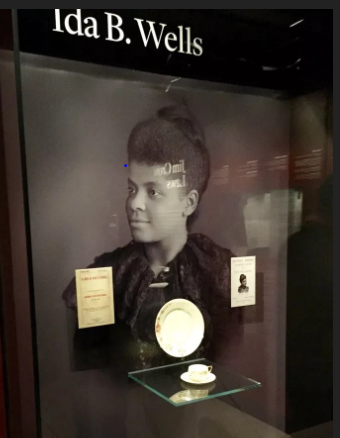
Today was all about one of my favorite topics: Object-based learning. “Can you imagine what was said around this teacup?” asked Mychalene Giampaoli, explaining her choice of “favorite object” at the NMAAHC. Ida B. Wells was a journalist and fierce anti-lynching activist, and a teacup that belonged to her is now on display. Giampaoli used this as an example of how objects can connect an audience to a person or a more abstract concept.
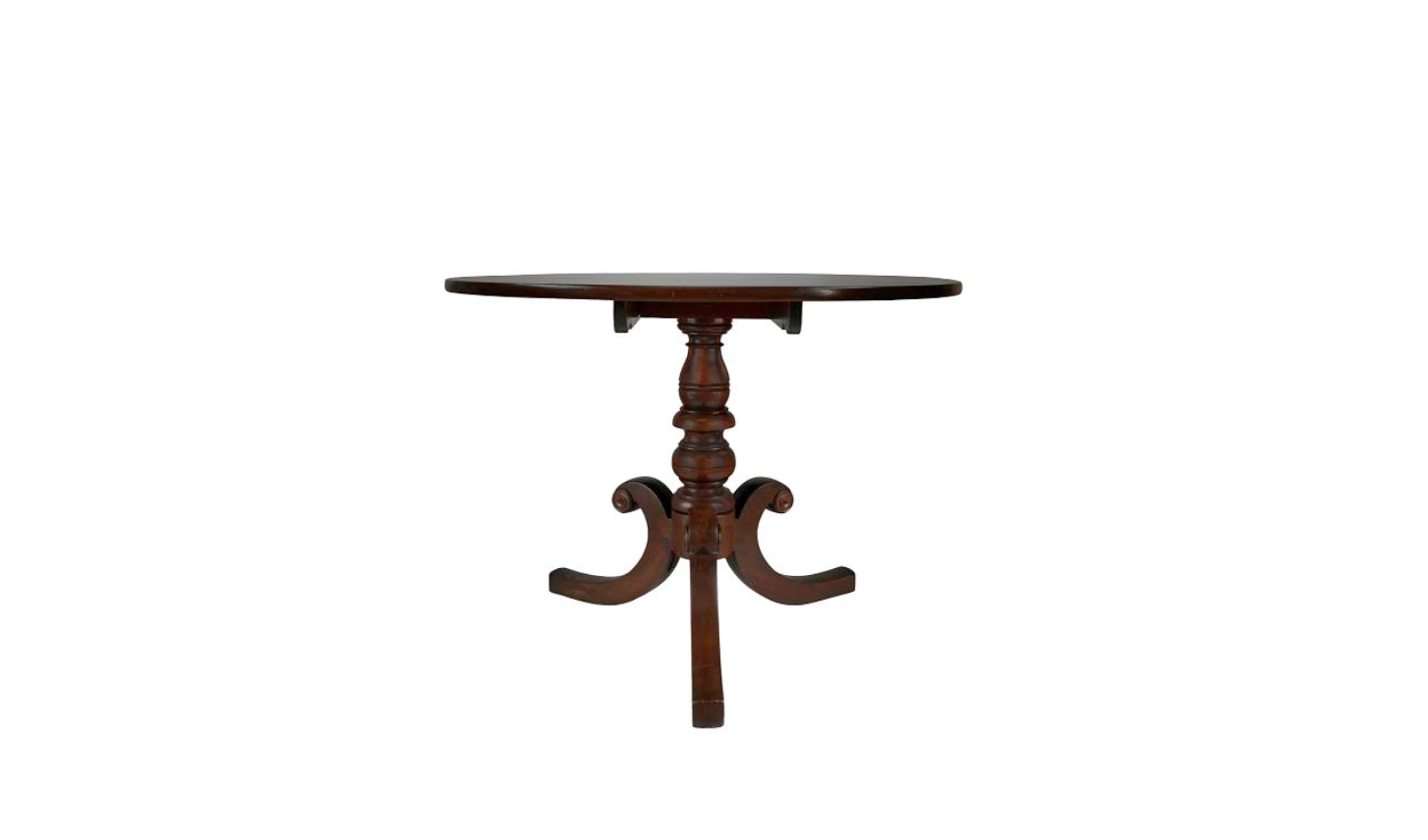
In July of 1848, this rather plain-looking table hosted Lucretia Mott, Elizabeth Cady Stanton, Susan B. Anthony, Martha Wright, and Elizabeth M’Clintock. It held the paper while the women drafted what would become the Declaration of Sentiments and the plans for the Seneca Falls Convention.
On their own, this table and that teacup are boring. They are simply things, like you would find in your grandmother’s living room or the local Goodwill. With a story, and with the connections made through object-based learning, they become tools of magnificent change and radical thought. That teacup helped bring attention to the tragedy of lynching, and that table gave women the right to vote.
 The Museum Kat