I was not able to go to Mount Vernon with my classmates yesterday, and am incredibly sad about it and angry with myself. I had been particularly interested in seeing how Mount Vernon had grappled with the legacy of slavery on the site. The last time I visited, there was almost nothing available to memorialize and educate about the people owned by George Washington and his family. From what I can tell, there is a conscious effort to change this, and enormous strides have been made to tell the stories of these people.
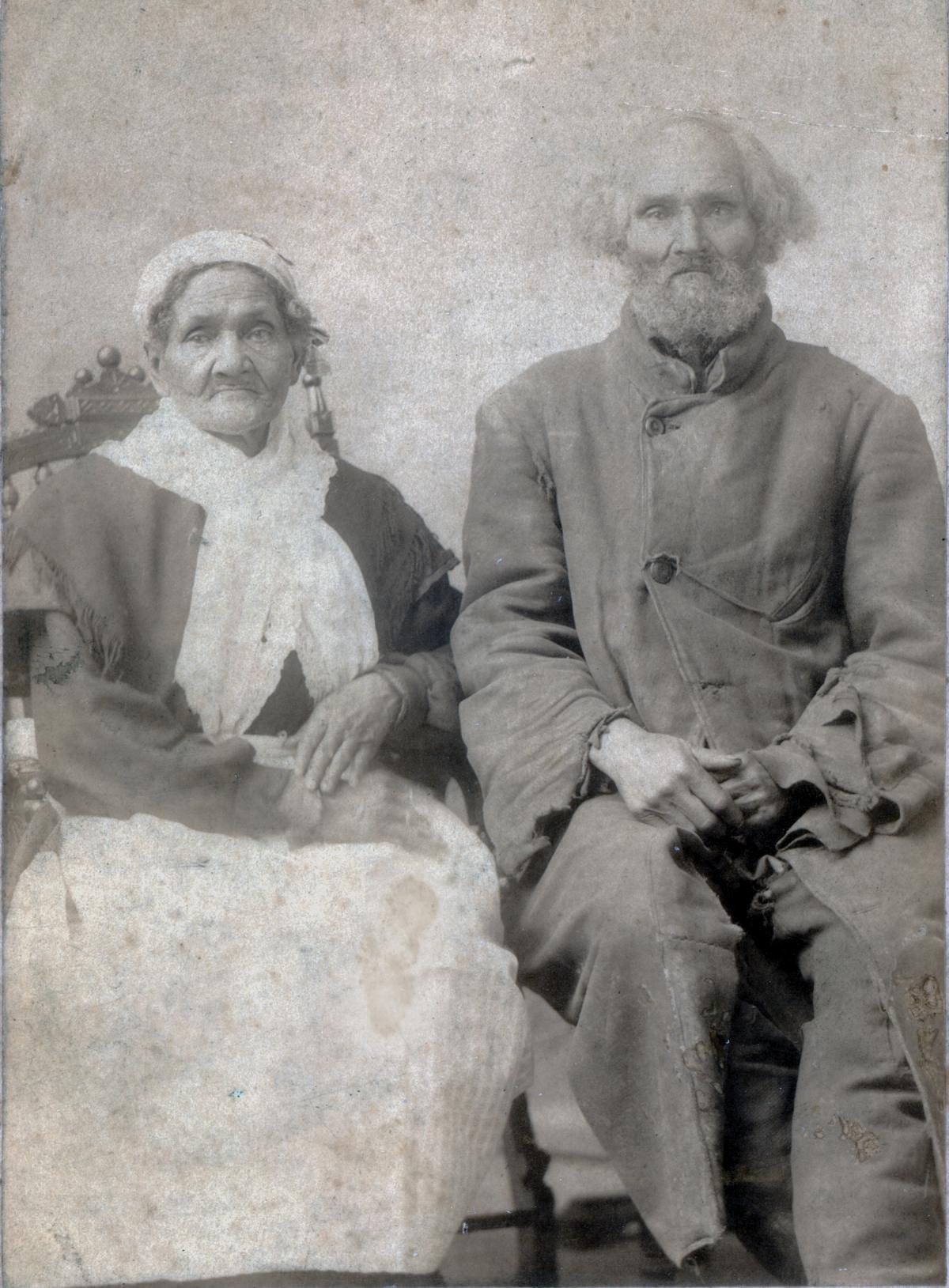
Hannah and Aaron, Enslaved by Andrew Jackson
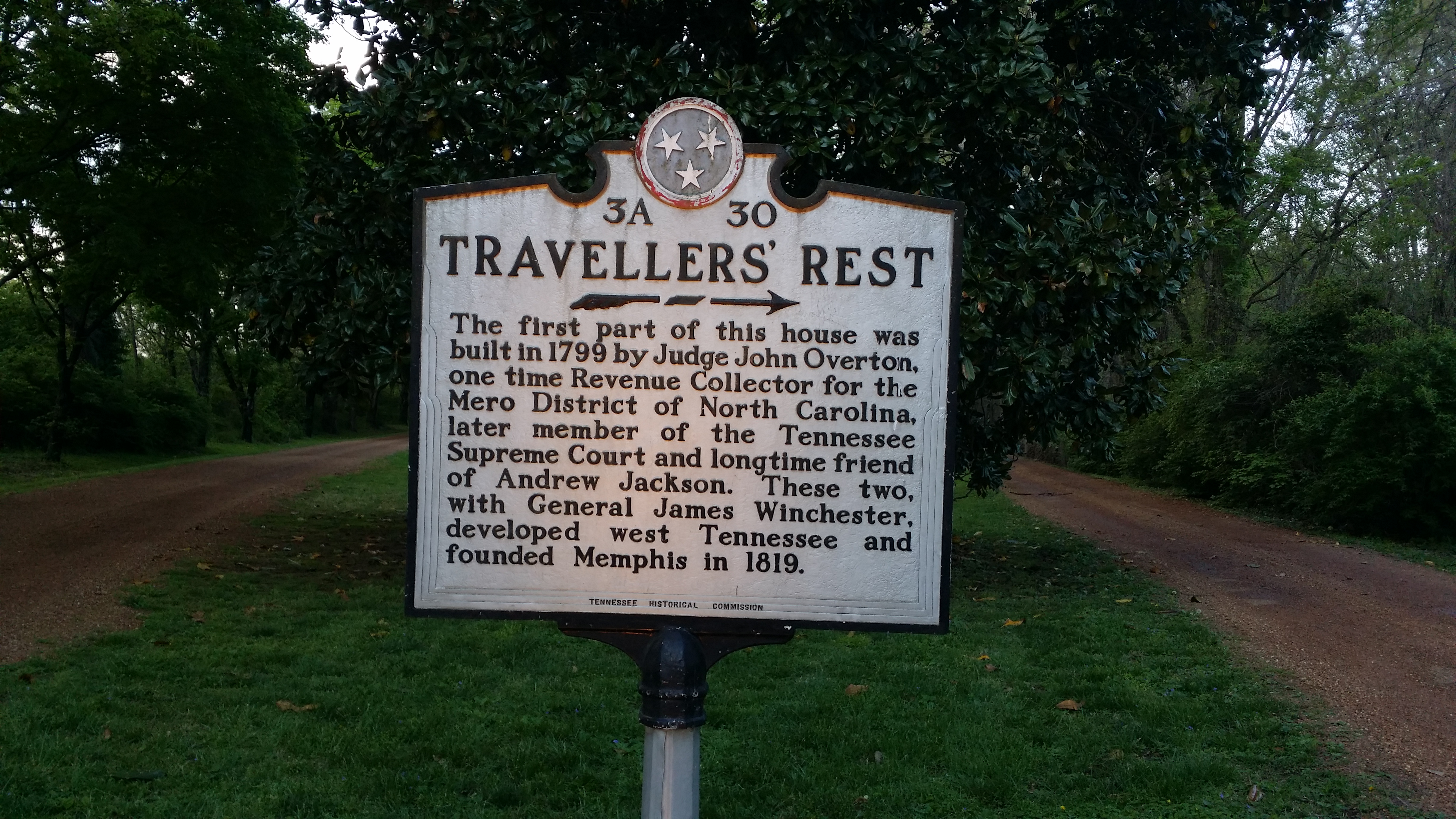
This is one area in which historic homes can be at the forefront of education in our country; sites like Mount Vernon are the ideal places to tell the story of slavery and its lasting effects. Despite this, many were reluctant to pick at that scab. Twenty years ago, I worked at two such places; The Hermitage (Home of Andrew Jackson), and Travellers Rest Historic House Museum.
The Hermitage was smack in the middle of a 20-year archaeology study of the known and suspected slave cabins when I worked there. Unfortunately, this had not translated to programming. The interpretive staff had been told how many slaves were thought to have been at The Hermitage, and that “We don’t know much about the slaves that were here.” Research now indicates that the number we were given was wildly low, and that even then we knew a lot of information that could easily have been shared with visitors.
But at least we weren’t told to lie about it.
Travellers Rest was the home of John Overton, close friend to Andrew Jackson and one of the founders of Nashville. In the same way that The Hermitage did while Jackson lived, Travellers Rest had prospered because of slavery. As an interpreter there, I was told that the decedents of the Overton family only wanted us to say that they slaves there had been treated really well. That was it.
Both sites seem to have come a very long way. The Hermitage has quite a bit of programming now, and addresses its slavery legacy pretty succinctly on its website:
Andrew Jackson’s Enslaved Laborers
In all reality, slavery was the source of Andrew Jackson’s wealth.
The Hermitage was a 1,000 acre, self-sustaining plantation that relied completely on the labor of enslaved African American men, women, and children. They performed the hard labor that produced The Hermitage’s cash crop, cotton. The more land Andrew Jackson accrued, the more slaves he procured to work it. Thus, the Jackson family’s survival was made possible by the profit garnered from the crops worked by the enslaved on a daily basis.
When Andrew Jackson bought The Hermitage in 1804, he owned nine enslaved African Americans. Just 25 years later, that number had swelled to more than 100 through purchase and reproduction. At the time of his death in 1845, Jackson owned approximately 150 people who lived and worked on the property.
In doing some internet searches to see what Travellers Rest now offers in the way of education about its slave history, I found the amazing Slave Dwelling Project, where interpreters hold seminars, which often include overnights in the slave cabins on historic sites, and discuss how to “change the narrative of American history and address the legacies of slavery.” It looks like Travellers Rest invited the Slave Dwelling Project to conduct a workshop and overnight on site. I really hope that I can participate in some way in the future.
 The Museum Kat