I have a really conflicted relationship with zoos, although I didn’t always. I find joy and comfort in animals more than most things in the world (I’m that person who will inundate you with cute animal videos if you’re feeling sad), and I credit zoos with a lot of that. When done well, zoos can play a role in animal education better than any school. Where else can you turn away from an actual panda chomping on bamboo to find an educational panel illustrating which other species benefit from panda conservation?
When done poorly, zoos are cruel. Enough said.
But what about that middle ground? When we visited the National Zoo, a facility started by William Temple Hornaday with the specific goal of conserving America’s dwindling bison population, we had a fantastic introduction to the panda habitats and house. The pandas are a major attraction, and have a newly-renovated building to show for it. The enrichment programs are obvious and the care given to the pandas seems to be incredibly high-quality.
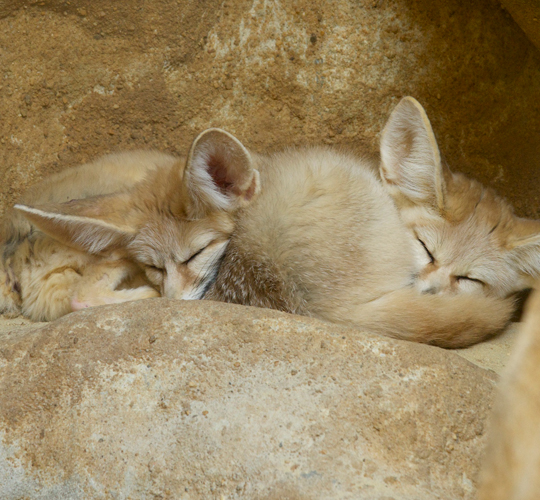
But what about the animals that are not nearly as popular or well-known? Along with several of my classmates, I was really bothered to see a few of the animals we passed pacing and acting anxious or bored. Particularly noticeable were the behaviors of the fennec fox and the sand cats. There has been conversation among my classmates since the visit about what a zoo’s responsibilities are, not necessarily when it comes to animals, but when it comes to visitors’ questions about the animals. If the fennec fox was displaying completely benign behavior, for example, what steps could the Zoo take to make this clear to worried observer?. Perhaps the staff could post a sign indicating that the caretakers were aware of the behavior and researching its cause? I’m willing to give the National Zoo the benefit of the doubt when it comes to animal care, but there’s also a need to educate visitors when an animal’s behavior is concerning.
 The Museum Kat